When Black Vogue Went Primetime: Challenging Swedish Beauty Industry Racism on National TV
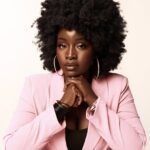
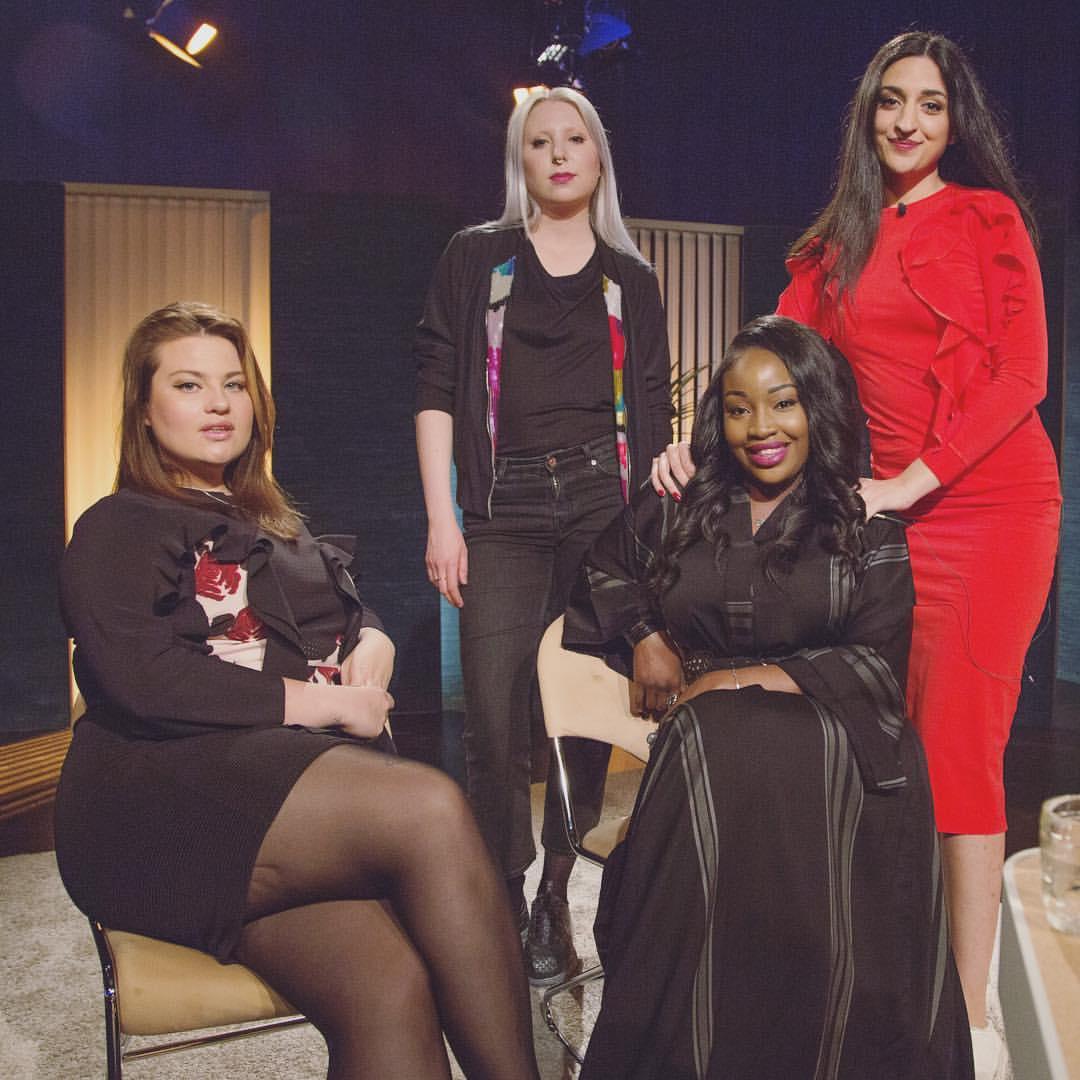
In 2016, Swedish public television SVT2 invited me to discuss something the beauty industry had long ignored: the systemic exclusion of Black women from makeup products and marketing in Sweden. Appearing on Parisa Amiri’s primetime talk show wasn’t just about makeup—it was about visibility, representation, and holding the Swedish beauty industry accountable for its racism.
Table of Contents
- Why I Said Yes to National Television
- Why Representation on TV Matters
- From West Africa to Sweden: My Story
- The Message Behind the Makeup
- Watch the SVT Appearance
- What This Moment Means Today
Watch the SVT Appearance
Watch a translated excerpt from the show via my YouTube channel:
It’s more than a clip—it’s part of Swedish beauty history.
Why I Said Yes to National Television
When SVT2 reached out in 2016 to discuss “the power of makeup,” I had doubts. This was a subject I was deeply passionate about, maybe too passionate for a panel discussion. But I also knew it was a rare opportunity to represent Black Vogue and speak truth about inclusive beauty Sweden on a platform that rarely centers Black Swedish voices.
The show would address the lack of foundation shades for dark skin Sweden and the effects of makeup on self-confidence. I’d be sitting alongside feminist beauty blogger Kakan Hermansson, meeting everyone for the first time.
I said yes because I needed Swedish viewers to understand why an all-inclusive society matters, where all colors, genders, creeds, religions, and sexual orientations are represented. That’s not just idealism. That’s the baseline for a functioning democracy.
Why Representation on TV Matters
Appearing alongside feminist beauty advocate Kakan Hermansson, we tackled not just trends, but truths. The conversation unfolded with a kind of honesty rarely seen in Swedish media. We spoke about how, for decades, makeup for Afro-Swedes and other people of color simply didn’t exist in stores.
It was never about whether darker foundations could sell. It was about who the industry believed deserved to be visible. What the public saw that night wasn’t just a panel—it was strategy meeting visibility.
Representation on television is not symbolic. It’s systemic. When people like us appear in spaces historically reserved for whiteness, it forces institutions to confront their own reflection. And sometimes, they don’t like what they see.
From West Africa to Sweden: My Story
On the program, I shared how I grew up in West Africa, where my skin tone was the norm and beauty existed in plural forms. Returning to Sweden as a teenager, I encountered a different reality, one where Black beauty was an afterthought.
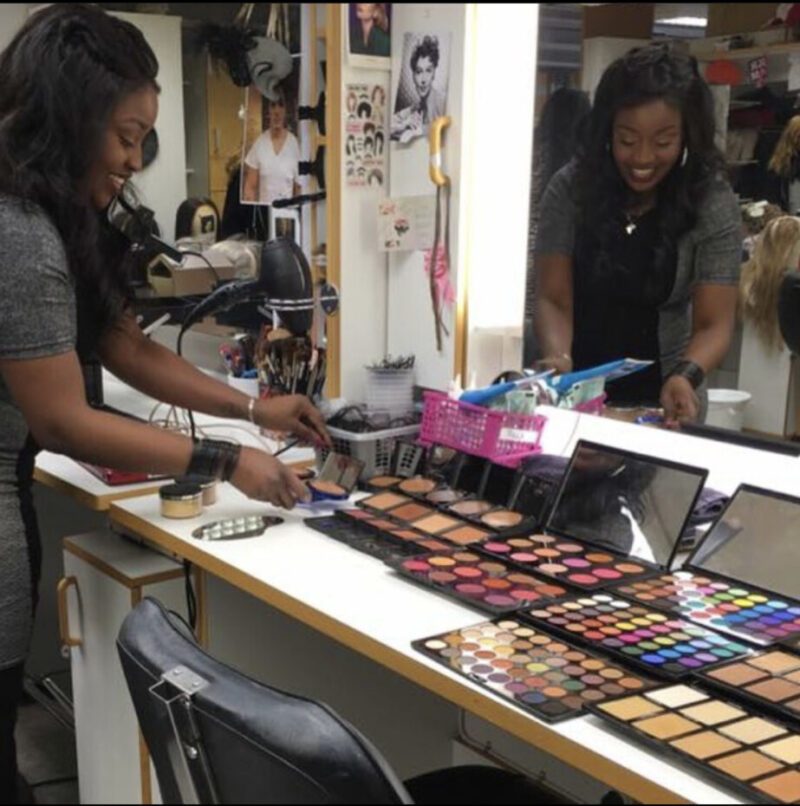
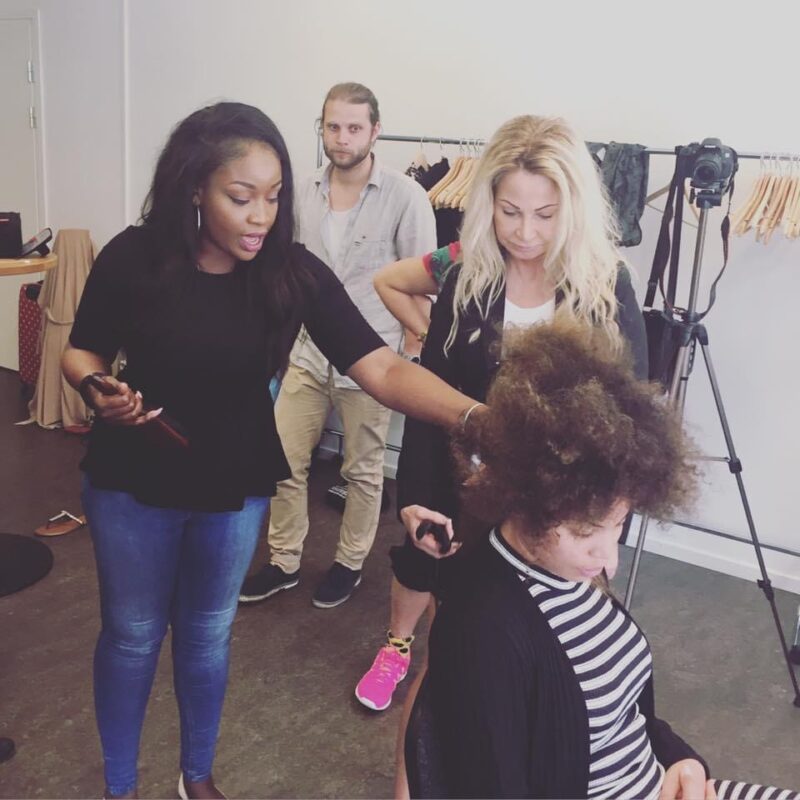
From the airport to the beauty counters, everything around me reinforced a single standard. Foundations stopped at beige. Advertisements centered whiteness as sophistication. Makeup schools didn’t teach how to shade-match dark skin.
But even then, I knew erasure doesn’t mean absence. It means someone has chosen to ignore you.
So I talked about change, about YouTube, where Black women began teaching each other techniques the industry refused to share. I talked about autonomy, about turning the lens on ourselves. About the joy of watching Black women create looks that reflected us, for us. And about the new era that followed when we finally said: “We are no longer invisible.”
The Message Behind the Makeup
This wasn’t just a TV appearance. It was part of a larger movement to demand structural accountability. Our message was clear: inclusive beauty in Sweden isn’t charity. It’s infrastructure. It’s about dignity, access, and equity.
We weren’t there to make noise. We were there to make record. Every word spoken that evening joined a wider chorus of artists, creators, and consumers who had been saying the same thing for years: if you’re not making space for everyone, you’re not doing beauty right.
Watch the SVT Appearance
Watch a translated excerpt from the show via my YouTube channel:
▶️ SVT “The Power of Makeup” – Lovette Jallow on Inclusive Beauty
It’s more than a clip—it’s part of Swedish beauty history.
What This Moment Means Today
Nearly a decade later, inclusion is still a strategy, not a slogan. The SVT appearance wasn’t about visibility for its own sake. It was about the redistribution of attention and authority.
Today, when brands and media houses talk about diversity, they are often recycling language that Black women built, polished, and paid for with emotional labor. My presence on that show was never symbolic. It was structural. It said: the conversation cannot continue without us.
And in 2025, that still holds true.
If you’re a brand, PR agency, or media outlet working in Sweden or the Nordics, work with someone who helped define the language of representation and equity in beauty.
→ Book Lovette Jallow for speaking, campaign consulting, or strategic media advisory
Explore my books, including “Black Vogue: Skönhetens Nyanser,” at lovettejallow.com/books.
Learn more about the Black Vogue movement at lovettejallow.com/blackvogue.
Om Lovette Jallow: Lovette Jallow är prisbelönt författare, föreläsare och grundare av Black Vogue Sverige – ett initiativ som förändrade hur den svenska skönhetsindustrin ser på inkludering och representation.
Boka Lovette för föreläsningar och konsultationer inom antirasism, inkludering och skönhetsbranschens framtid.